
In-Stock Ammunition: Find Ready-to-Ship Rifle, Pistol, and Shotgun Rounds Today
In stock ammunition means the exact rounds you need are ready to ship or pick up the moment you order, so there’s no waiting for backorders or unknown arrival dates. Having it on hand ensures your range time or defensive plan stays on schedule, because you can simply load up, head out, and focus on shooting instead of tracking down supplies. Whether you’re stocking a few boxes for practice or a solid reserve for peace of mind, it works right out of the package—just match the caliber to your firearm, store it in a cool, dry place, and it’s good to go when you are.
What Exactly Does “In Stock” Mean for Ammo Buyers Right Now?
For ammo buyers right now, “in stock” means the retailer’s physical inventory is confirmed and ready to ship immediately, not a backorder or a pre-order. When you see that status on a product page for in stock ammunition, it signals that your order will be processed within 24–48 hours, not weeks. Crucially, in stock today also implies the listed price is the *actual* current market rate, since ammo that’s truly available often commands a premium over out-of-stock listings. However, “in stock” does not guarantee “in stock tomorrow” — high-demand calibers like 9mm and .223 can sell out within hours, so you must add to cart and check out immediately. Trust a retailer’s live inventory counter or “only X left” warning as proof, and treat any vague “usually ships in 1–2 weeks” label as a red flag that it is not genuinely in stock. Buy now or lose the buy.
Understanding Availability vs. Backorder: Why It Matters for Your Order
Seeing “in stock” next to ammunition means the retailer physically has the rounds on hand, ready to ship immediately—not merely listed as a placeholder. Understanding availability versus backorder prevents costly checkout delays: a backordered item shows a future date, but that date can slip, and your payment is often captured upfront, tying up funds while you wait indefinitely. In contrast, an available item leaves the warehouse within days, giving you predictable delivery for training or defense needs. Always verify a listing explicitly shows stock quantity or a “ships today” flag before ordering, because selecting a backordered SKU risks canceling your entire purchase if you need ammo urgently. 6mm Remington Ammo for Sale Prioritize vendors who display real-time inventory counts over vague timelines.
If it says “in stock,” it should ship now; if it says “backorder,” assume delay, not certainty—always confirm quantity before checkout.
The Difference Between Physical Stock and Warehouse Allocation
When a site says “in stock,” it might mean pallets sitting in a distributor’s warehouse, not on their own shelf. That’s the core distinction: physical stock versus warehouse allocation means the retailer has reserved a portion of a supplier’s inventory, but the ammo hasn’t shipped to them yet. Your order enters a queue behind other dealers, so the listed count can drop to zero before your purchase processes. A “live” inventory number only reflects the retailer’s own bins, not the allocation pool they can tap into later. To avoid false hope:
- Check if the product page says “ships from distributor” or “ships from our warehouse.”
- Look for an estimated ship date that’s more than 3–5 days out—that signals allocation.
- If you see “backorder allowed,” treat the stock status as provisional, not guaranteed.
Always confirm at checkout that the quantity you want is earmarked for you, not just “available” upstream.
How to Verify a Retailer’s Live Inventory Before You Pay
Before paying for “in stock” ammunition, confirm the retailer’s live inventory through site-specific signals rather than trusting a product page badge. Look for a visible stock quantity counter that updates in real time, and refresh the page to see if it changes during your session. Call the store’s direct line and ask a human to verify the exact SKU, caliber, and grain weight—do not rely on automated chat. Check the cart’s “reserve” or “hold” timer; if none exists, the item may drop out of stock before checkout. Finally, review the order confirmation email for a “live availability” timestamp, which indicates inventory synchronization. If the retailer shows a “Notify Me” toggle alongside an “Add 7mm Rem Mag Ammo for Sale to Cart” button, treat the listing as stale. A quick, direct verification saves you from refund delays and backorder surprises.
Key Features to Check Before Adding Cartridges to Your Cart
Before finalizing your purchase of in stock ammunition, verify the cartridge’s physical compatibility with your firearm’s chamber—check the exact caliber, bullet weight, and cartridge overall length, as factory tolerances vary. Inspect the primer type (Boxer vs. Berdan) if you reload, and confirm the projectile’s construction (FMJ, hollow point, soft point) matches your intended use, whether target shooting or defensive carry. Additionally, review the velocity and pressure 9.3x72R Ammo for Sale rating (e.g., +P or standard) against your firearm’s manufacturer specifications, as high-pressure loads can damage older or lightweight actions. Finally, examine the lot number’s recall status and the brass casing’s headstamp consistency to avoid mixed-headstamp batches that can affect accuracy.
A misfit cartridge is a jam waiting to happen—check chamber specs, not just the box label.
Muzzle Velocity, Grain Weight, and Bullet Type—What Each One Does
When evaluating in-stock ammunition, muzzle velocity, grain weight, and bullet type directly dictate terminal performance. Higher muzzle velocity flattens trajectory and increases energy transfer, but also amplifies recoil and barrel wear. Grain weight, measured in grains, shifts the projectile’s mass: lighter grains (e.g., 55gr) favor speed and flat shooting; heavier grains (e.g., 77gr) retain momentum and better resist wind drift at range. Bullet type determines expansion and penetration—jacketed hollow points upset rapidly for self-defense, while full metal jackets penetrate deeper without expansion, suiting target practice. Ballistic-tip bullets combine aerodynamics with rapid expansion for varmint hunting. Matching these three factors to your firearm’s twist rate and intended use ensures reliable cycling and ethical impact.
- Muzzle velocity affects drop compensation; verify it against your zeroing distance.
- Heavier grain weights require faster twist barrels (e.g., 1:7 for 77gr) for stabilization.
- Bullet type dictates whether in-stock rounds suit hunting, defense, or paper punching.
Brass, Steel, or Aluminum Casings: How the Material Affects Performance
When evaluating in-stock ammunition, the casing material directly dictates performance under stress. Brass casings offer superior malleability and consistent chamber sealing, making them ideal for precision shooting and reloading, though they cost more. Steel casings, typically lacquered or polymer-coated, run harder and may increase bolt wear, but they function reliably in high-volume training where cost efficiency matters. Aluminum casings are lightweight and corrosion-resistant, yet their thinner walls can cause extraction issues in tight chambers or during rapid fire. Each material changes thermal expansion rates, so a firearm zeroed for brass may shift point of impact with steel or aluminum, especially in suppressed or sustained-fire scenarios. Choose based on your primary use—brass for accuracy, steel for budget endurance, aluminum for short-range plinking.
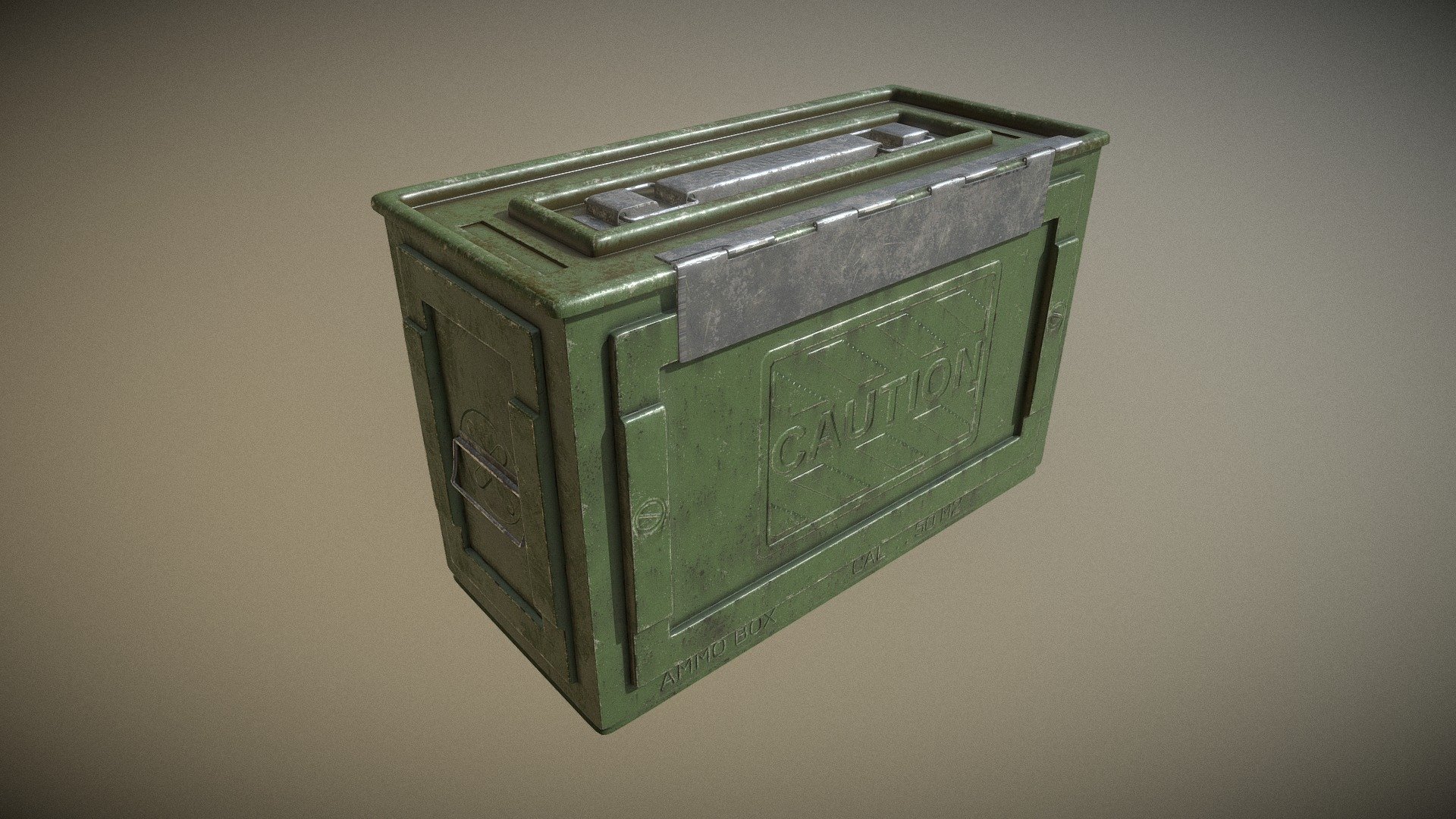
Brass delivers accuracy and reloadability; steel offers affordability with harsher action wear; aluminum sacrifices robustness for light weight—match the casing to your firing demands.
FMJ vs. Hollow Point vs. Soft Point: Which Load Suits Your Purpose
Choosing between FMJ, hollow point, and soft point comes down to your intended use, not hype. For **FMJ vs. Hollow Point vs. Soft Point: Which Load Suits Your Purpose**, start with target practice: full metal jacket feeds reliably and penetrates steel without excessive splashback—ideal for range drills. For self-defense, hollow points expand on impact, dumping energy into soft tissue and reducing over-penetration risks in your home. Soft points bridge the gap, offering controlled expansion for hunting medium game where deep, straight-line penetration is critical. Match the bullet to the job: select the load that matches your terminal goal, not your magazine capacity.
- Range training: FMJ for economy and barrier durability.
- Personal protection: hollow point for consistent expansion in gel and clothing.
- Hunting: soft point for reliable mushrooming on muscle and bone.
Matching the Right Rounds to Your Firearm’s Specs
When you’re eyeing in stock ammunition, the first move is always to match the round to your barrel’s stamped specs—caliber, cartridge length, and pressure rating are non-negotiables. A box marked “.308 Win” won’t safely feed a rifle chambered for 7.62×51, even if the rack looks tempting, and a wrong bullet weight can throw off your zero or foul your gas system. Check the headstamp against your manual, and if you’re torn between two loads, prioritize the one your firearm’s twist rate actually stabilizes. Never assume a store’s “universal” label covers your bolt action or pistol’s quirks. For in stock ammo, verify the lot’s crimp and case length before you buy—factory seconds often hide setbacks. Your barrel doesn’t care how cheap the deal is if the round doesn’t seat properly. Matching specs isn’t just accuracy—it’s the difference between a smooth session and a ruined extractor.
Using the Caliber Markings on the Barrel to Avoid Mismatches
Before you grab any box from the in-stock ammo shelf, glance at the barrel’s stamped markings—they’re your final safety net. That tiny line, like “9mm Luger” or “.38 Super,” tells you exactly what the chamber was reamed for, and ignoring it is how you end up with a squib or a bulged case. The stamp prevents mismatches that even a sharp-eyed clerk might miss, like sliding .380 ACP into a 9mm barrel because they look similar. Trust the metal, not your memory. If the marking says “.40 S&W,” buy only that, and verify caliber before every purchase—even if the box is on your “usual” list.
How Barrel Length Affects the Ballistics of Common Loads
Shorter barrels—common in compact carry guns—dramatically reduce the velocity of standard-pressure loads because less powder burns before the bullet exits the muzzle. For example, a 9mm 115-grain round can lose 100–150 fps when fired from a 3-inch barrel versus a 5-inch service pistol, shifting the point of impact and reducing expansion reliability in defensive hollow points. Conversely, longer barrels, like 16–20 inches in rifles, maximize powder burn, yielding flatter trajectories and higher retained energy for hunting rounds. Always verify your in-stock ammunition’s published velocity against your actual barrel length, as velocity loss in short barrels alters bullet drop and wind drift significantly. Q: Does barrel length affect accuracy? A: Yes—while mechanical precision remains constant, shorter barrels produce wider velocity variations, causing vertical stringing at longer ranges.
Break-In Periods and What to Expect From Freshly Manufactured Boxes
A freshly manufactured box of in-stock ammunition often requires a brief barrel break-in period before it delivers peak accuracy. Expect the first 20–50 rounds to group slightly wider, with occasional copper fouling or velocity variations as the barrel’s micro-irregularities smooth out. During this phase, shoot at moderate cadence to let heat normalize, then clean thoroughly after each session. Don’t panic if point-of-impact shifts an inch or two early—this is normal. Your firearm’s specs, like rifling twist and chamber throat, dictate how quickly it adapts; some barrels settle within ten rounds, others need closer to a hundred. Once the bore conditions, that same box’s remaining rounds typically tighten into consistent, repeatable groups.
Practical Buying Tips for Getting the Most From Your Purchase
When buying in-stock ammunition, first verify the lot number on the box against the rounds themselves to ensure consistent headstamps, which prevents mixed-pressure issues at the range. Purchase in bulk quantities that match your actual training cycle—buying 500 rounds when you shoot 200 a month leaves you with stale primers, so match your inventory to your consumption rate. Prioritize ammunition with sealed primers and case mouths if you carry it for defensive use, as these resist moisture degradation from pocket carry or humidity. Resist the urge to grab the cheapest available brand simply because it’s on the shelf; instead, compare the projectile weight and muzzle velocity to 9mm Ammo for Sale your firearm’s twist rate for reliable accuracy. Finally, inspect the packaging for crushed boxes or loose rounds, as damaged cartridges can cause feed failures, and always store your purchase in a dry, temperature-stable container immediately after opening. Buy only what you will shoot within six months. Test a small sample box from a new lot before committing to a case.
How to Calculate Price Per Round Accurately (Including Shipping Fees)
To calculate price per round accurately, always add shipping fees to the item subtotal *before* dividing by the case or box count. A “deal” on 1,000 rounds often vanishes when a $25 flat fee is applied, so compute the true cost using this formula: (ammo cost + shipping) ÷ total rounds. Never compare prices without factoring in shipping fees, as this single step reveals which vendor truly offers the lowest per-round value. Price per round must include taxes if charged at checkout, and consider split-shipping costs when ordering multiple cases to leverage bulk thresholds.
- Add shipping to the ammo subtotal, then divide by total rounds in the order.
- Check for free-shipping thresholds; sometimes ordering one extra Ammunition for Sale box lowers the per-round cost.
- Use a per-round calculator or spreadsheet to compare vendors side-by-side for in-stock ammunition.
Buying in Bulk vs. Single Boxes: What Makes Sense for New Shooters
For new shooters, buying in bulk from in-stock ammunition beats single boxes almost every time—provided you’ve already confirmed your firearm’s reliability with one box of each brand. A single box lets you test function and point of impact without wasting money on ammo your gun dislikes. Once you’ve found the load, bulk purchases cut per-round cost significantly, which directly translates to more trigger time and faster skill development. Single boxes make sense only for initial testing or when you’re shooting a caliber you rarely use. Otherwise, buying 500–1,000 rounds of proven in-stock ammunition locks in consistency and protects you from mid-training flinch caused by switching loads.
Bulk saves money and builds consistency; single boxes are only for initial testing or rare calibers.
Inspecting Packaging and Lot Numbers for Consistency in Performance
When buying in-stock ammunition, inspect the box and each cartridge for a printed or stamped lot number. Identical lot numbers indicate ammunition manufactured in one continuous run, ensuring consistent powder charges, bullet weights, and case dimensions. Mixing lot numbers in a single purchase introduces invisible variable that shift point of impact and velocity between boxes. For precision work or zeroing, purchase enough from the same lot to cover the entire session. Always verify the lot number on the outer case matches the inner boxes before paying. To preserve consistent ammunition performance across lots:
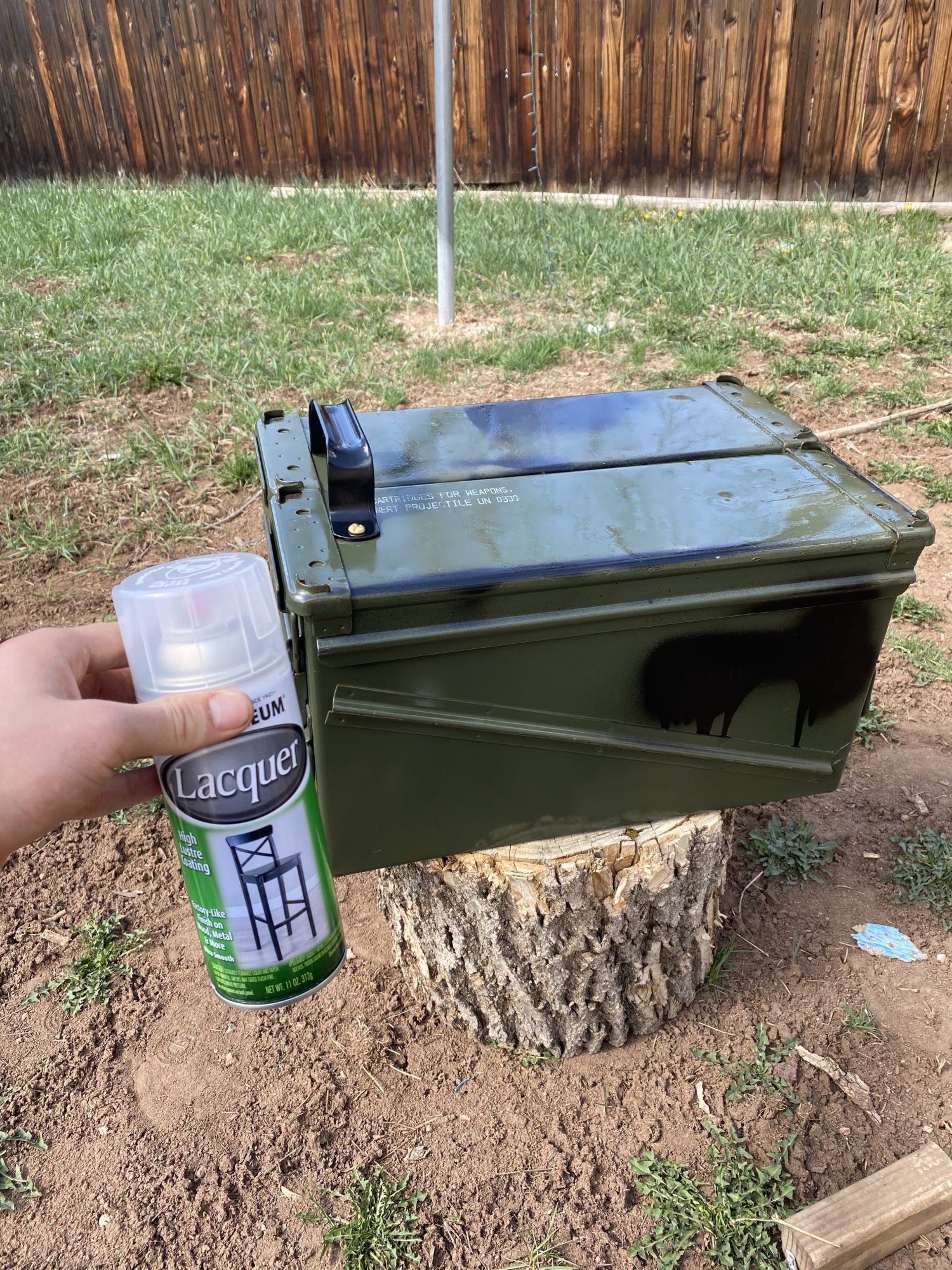
- Compare lot numbers on every box before selecting stock.
- Choose boxes with identical numbers for bulk buys.
- Record the lot number and note any visual packaging defects like torn seals or corroded primers, which indicate mishandled storage.
Storage and Handling Advice for Stockpiled Rounds

For stockpiled rounds, rotate your inventory using a first-in, first-out system so older ammunition is used before newer stock. Store boxes off concrete floors on shelving or pallets to prevent moisture wicking, and keep them in a climate-controlled specialty sports and supply area below 75°F with low humidity. Avoid airtight vacuum sealing for long-term storage, as condensation can form; instead, use factory packaging inside a sealed plastic ammo can with desiccant packs. Inspect rounds quarterly for corrosion, loose bullets, or green patina on brass, and discard any damaged cartridges immediately. Handle stockpiled rounds by the case or tray, never shake or drop them, and always wipe off fingerprints before resealing, as salts in sweat accelerate case corrosion. For in stock ammunition, remember thermal cycling—allow sealed cans to reach room temperature before opening to prevent condensation on cold metal.
Best Practices for Keeping Primers and Powder Stable Over Time

To keep primers and powder stable over time, store ammunition in a cool, dry environment with consistent temperatures below 75°F, as thermal cycling accelerates chemical breakdown. Seal all containers with desiccant packs to combat humidity, which is the primary enemy of propellant longevity. Rotate your stock using a first-in, first-out system, and always inspect for corroded primers or a vinegar-like powder odor. Optimal best practices for keeping primers and powder stable over time depend on minimizing air exposure—keep factory boxes sealed inside airtight ammo cans. Avoid floor contact and direct sunlight, as both introduce moisture and heat spikes. For long-term storage, consider vacuum-sealing individual boxes or using silica gel that is recharged annually.
Q: What .50 Cal Ammo for Sale is the single most critical habit for keeping primers and powder stable over time?
A: Maintaining a stable, low-humidity environment—ideally below 40% relative humidity—by using sealed containers with desiccants, because moisture variability 7mm Rem Ultra Mag Ammo for Sale causes faster propellant degradation than temperature alone.

Safe Ways to Store Loose Rounds and Opened Boxes Without Damage
For loose rounds and opened boxes, skip the original cardboard and transfer everything into a rigid, airtight plastic ammo can or a dedicated MTM-style case—cardboard breathes in humidity and loses structural strength. Toss in a few silica gel desiccant packs, but check them every few months and recharge them in a low oven when they change color. Keep each caliber segregated in its own compartment or small resealable bag so brass doesn’t get scratched or primers dinged, then add a thin foam liner or microfiber cloth on the bottom for extra cushioning. Always store cans off the concrete floor on a wooden shelf, and never mix in oily or greasy rounds—that residue attracts dirt and can degrade the seal. Use desiccant packs in airtight cans to keep primers and powder stable, and 9.3x62mm Mauser Ammo for Sale label each container with the load date so you rotate older stock first.
Seal loose rounds in airtight, labeled containers with desiccant packs, keep calibers separate, and store off concrete to avoid dents, rust, and moisture damage.
Recognizing Signs of Corrosion or Duds in Your Existing Inventory
When auditing your stockpiled rounds, **recognizing signs of corrosion or duds** starts with a visual sweep for green or white crust on brass, which indicates active oxidation that can weaken case walls. Check primer pockets for red rust or pitting, and feel for rough spots on the projectile that signal zinc leaching. Next, gently tap each round on a hard surface—a dull, metallic thud instead of a crisp ring suggests internal moisture damage. For suspected duds, perform a controlled chamber check:
- Measure cartridge length with calipers; bulges or dents mean immediate disposal.
- Inspect the primer for deep indentations or missing compound.
- Drop one round into a revolver cylinder or bolt head to test for tight seating resistance.
Any round that fails these tests should be pulled and reloaded, never fired, because 9×18 Makarov Ammo for Sale weakened cases risk rupturing at pressure.
